A warm, doctor-guided recovery program
Freedom from alcohol, healing for your liver, reclaiming your life
Recovery, guided by doctors who understand.
If you have tried to stop on your own and slipped back — that was not weakness. It was biology without treatment. Willpower alone fights a brain that has changed. Treatment changes the odds.
LiverSaathi is built by an expert hepatologist group (liver specialists), with addiction psychiatrists on board. Alcohol harm shows up in the liver and pancreas first. Our doctors know exactly what to look for — and how to help it heal.
No judgment. No lectures. Your data stays yours — see how we protect it.
Two paths
The same six months. Two very different stories.
Not magic — better odds. The same person, walking two possible paths. What tends to happen in each, month by month:
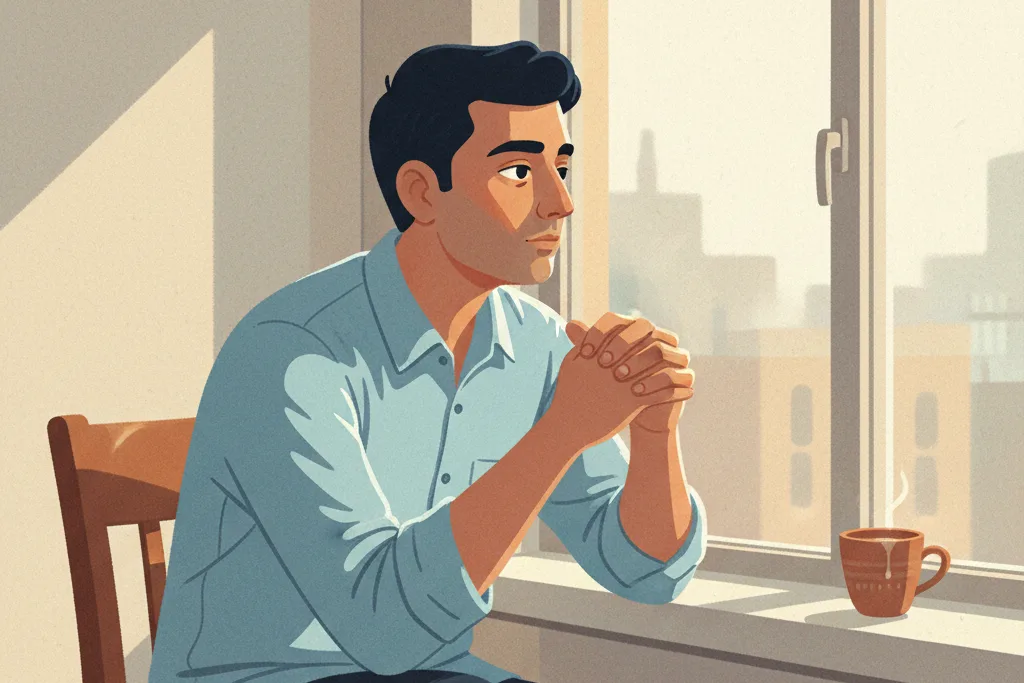
Without treatment
trying to stop alone- 1 month
Cravings still come in waves, strong as ever. Willpower is fighting changed biology on its own. The liver keeps carrying fat — the harm quietly continues.
- 3 months
Good weeks, hard weeks. Without treatment, slipping back is common. It is the expected course of the illness — not a personal failure.
- 6 months
The cycle often repeats. Of people who recovered without any help, about 6 in 10 relapsed over the long run.
Moos & Moos, Addiction 2006 · 16-year study
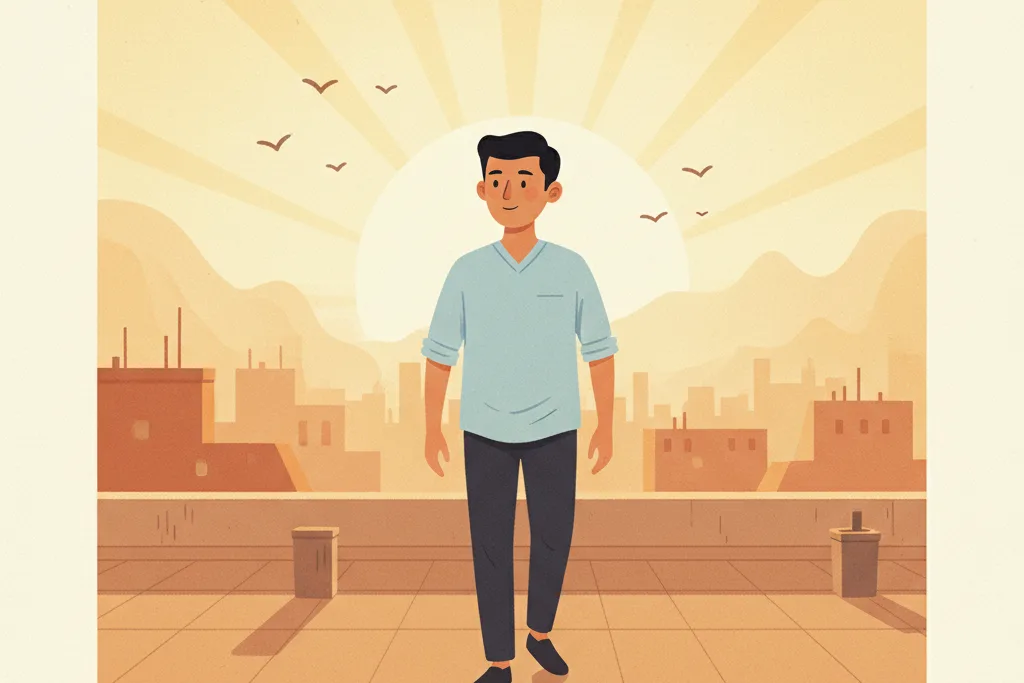
With the program
doctor-guided, one step at a time- 1 month
Medicine can quiet cravings in the first weeks. And fatty liver — the earliest stage of harm — can start to improve within weeks of stopping.
Suk et al., World J Gastroenterol 2014 - 3 months
Skills are building. Check-ins every two weeks keep the plan honest. In a trial of exactly this team model, 74% stayed abstinent — vs 49% with usual care.
Randomized trial, reported in ACG Clinical Guideline 2024 - 6 months
Recovery starts to feel like yours. With help, more people stay in recovery — and fewer relapse over the long run: about 4 in 10, vs 6 in 10 for those alone.
Moos & Moos, Addiction 2006 · 16-year study
Everyone's path is different. These are study averages, not promises — the full numbers and their sources are in the evidence section below.
What the evidence says
Treatment changes the odds. The numbers are real.
Every number below comes from a published study. The citation is right next to it. Different studies measure different things — we show each study's own numbers, honestly.
Getting help vs. trying alone
Adults who sought help and got treatment or AA support, vs. those who tried alone. Who reached recovery (remission) at 3 years:
62.4% of the helped group were in remission at 3 years.
461 adults who sought help were followed for 16 years. Those who entered treatment or AA in the first year did better at every mark — and of those who recovered at 3 years, fewer relapsed over the long run: 42.9%, vs 60.5% of those who tried alone.
How strong is this evidence? Observational study, not a trial — nobody was randomly assigned. But it followed real people for 16 years.
Moos & Moos, Addiction 2006 · 16-year studySpecialist team care vs. usual care
In a randomized trial, one group got integrated care — a liver specialist (hepatologist) and an addiction specialist working together in one clinic. The other got usual care. Who stayed abstinent (stopped drinking):
74% abstinent with the integrated specialist team.
This is exactly our model: hepatologists and addiction psychiatrists, one team. In the trial, the integrated group stayed abstinent at nearly one and a half times the rate of usual care (P = 0.02).
How strong is this evidence? Randomized controlled trial — the stronger kind of evidence.
ACG Clinical Guideline, Am J Gastroenterol 2024Medicine helps on top of counselling. In meta-analyses of 122 trials (JAMA 2014) and 118 trials (JAMA 2023), anti-craving medicine (naltrexone or acamprosate) given with counselling helped roughly 1 in every 11–12 people avoid returning to drinking, compared with placebo. Your doctor decides what fits you — some medicines need in-person visits first, by Indian telemedicine law.
Our clinical team model
Liver specialists and addiction psychiatrists. One team.
Why this combination? Alcohol harms two organs first: the liver and the pancreas. A liver specialist (hepatologist) watches those organs and catches trouble early. An addiction psychiatrist treats the dependence itself — the brain side. Most programs have only one half of this. Our patients get both, working together.
Consultant Hepatologist
MD (Medicine) · DM (Hepatology) — liver specialist
Liver health in people who drink. Reads your liver numbers and tracks recovery.
Consultant Hepatologist
MD (Medicine) · DM (Hepatology) — liver specialist
Alcohol-related liver and pancreas disease. Catches problems early, before they grow.
Addiction Psychiatrist
MD (Psychiatry) — addiction medicine
Dependence and mental health. Builds the treatment plan and adjusts it as you heal.
Addiction Psychiatrist
MD (Psychiatry) — addiction medicine
Cravings, mood, and sleep. Helps you stay steady through the hard weeks.
Team profiles are being finalized — names and photos coming soon.
Alcohol and your liver
Your liver can recover. Early harm heals.
The liver is unusual: it can repair itself. Fatty liver (fat build-up from drinking, the earliest stage) can improve within weeks of stopping drinking. The liver starts to heal as soon as the alcohol stops.
At every stage of alcohol-related liver disease, stopping drinking is the single most effective treatment there is. It prevents the disease getting worse — and can even reverse damage. We will not over-promise: late-stage scarring (cirrhosis) mostly cannot reverse. But most people who join us are at stages that can.
Try it — drag the slider
Week 0 · Today — the day you stop
fat build-up · high
Today — the day you stop
The liver starts healing the day the alcohol stops. At every stage of alcohol-related liver disease, stopping drinking is the single most effective treatment there is.
ACG Clinical Guideline, Am J Gastroenterol 2024The picture is illustrative — livers heal at different speeds, and the droplets are a metaphor, not a measurement. The words beside it are cited, and your own numbers come from your doctor's tests.
Sources: “Alcoholic steatosis can be reversed after abstinence for several weeks” — Suk, Kim & Baik, World J Gastroenterol 2014 (pmc.ncbi.nlm.nih.gov/PMC4177474). “The most effective therapy to attenuate the clinical course of ALD and even reverse liver damage is prolonged alcohol abstinence” — ACG Clinical Guideline, Am J Gastroenterol 2024 (pmc.ncbi.nlm.nih.gov/PMC11040545).
How the program works
Small steps. Real doctors. Steady progress.
Meet your doctor
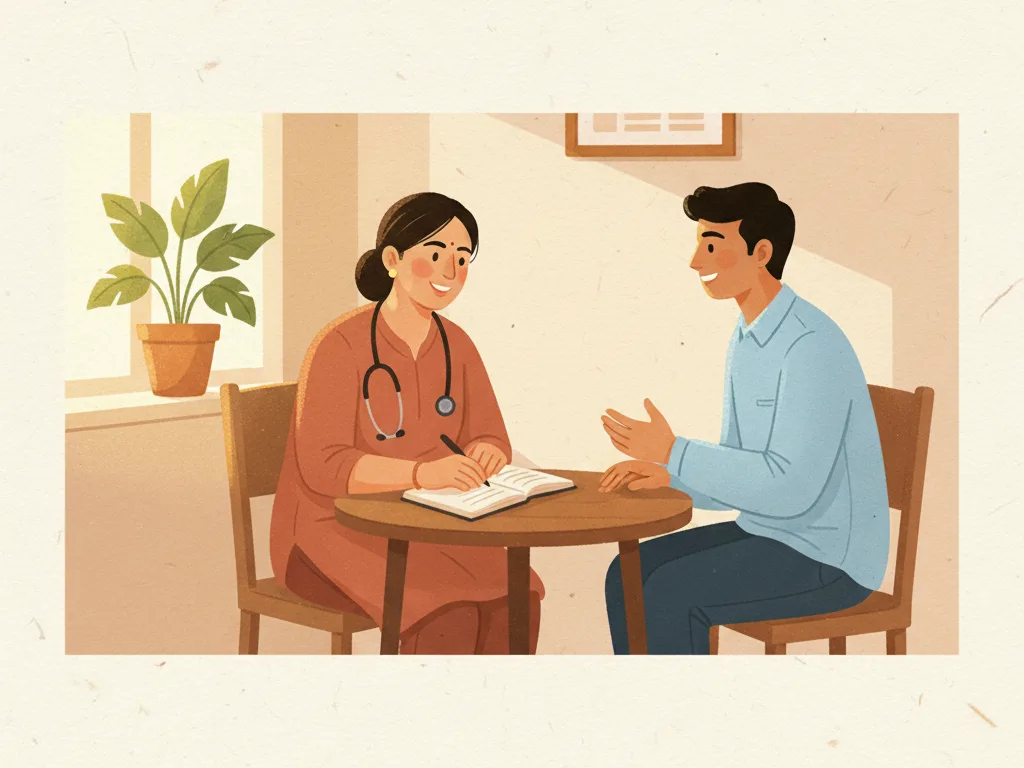
A 30-minute first consultation. Then a 15-minute check-in every two weeks. Your doctor watches your progress and adjusts the plan.
Follow your program, one step at a time
Short modules that unlock in order. First you understand what is happening. Then you learn skills. Then you build your own prevention plan.
One minute a day
A daily check-in: medicine taken, how you feel, craving level. And when a craving hits, the SOS button walks you through it, minute by minute.
Your data, your consent
Private by design. Encrypted. Audited.
Nothing is collected until you read and accept our informed consent. It is versioned and timestamped, as India's DPDP law requires. You can withdraw with one click — as easily as you agreed.
Your doctor's notes about you are encrypted at rest. Every time anyone on the care team reads or writes your record, it is logged — who, what, when. Family members see your progress only if you invite them, and you can switch it off any moment.
Consultations follow the Telemedicine Practice Guidelines, 2020. Your doctor tells you plainly when an in-person visit is needed. Research use of your data is a separate consent — always optional, never bundled.
Simple pricing
Start free. Upgrade once for everything.
Free
₹0
always
Basic psychoeducation content only. Read the first program modules and see how the program works. No doctor, no daily tracking, no caregiver view.
Complete program · 3 months
₹5,000
one payment · 3 months
Everything: the full stepwise program, doctor consultations, daily tracking, the caregiver view for your family, and SOS support. One payment for 3 months.
Start nowComing through a partner clinic? Your program is sponsored — there is nothing to pay.
The best time to start was last year. The second-best time is today.
You do not have to be ready to stop forever. You only have to be ready to talk to a doctor who understands. That is what the first consultation is for.
In an emergency — overdose, seizures, or thoughts of harming yourself — call 112 (national emergency) or the national de-addiction helpline 14446, or go to the nearest hospital. The SOS button in the app is a coping tool, not an emergency service.